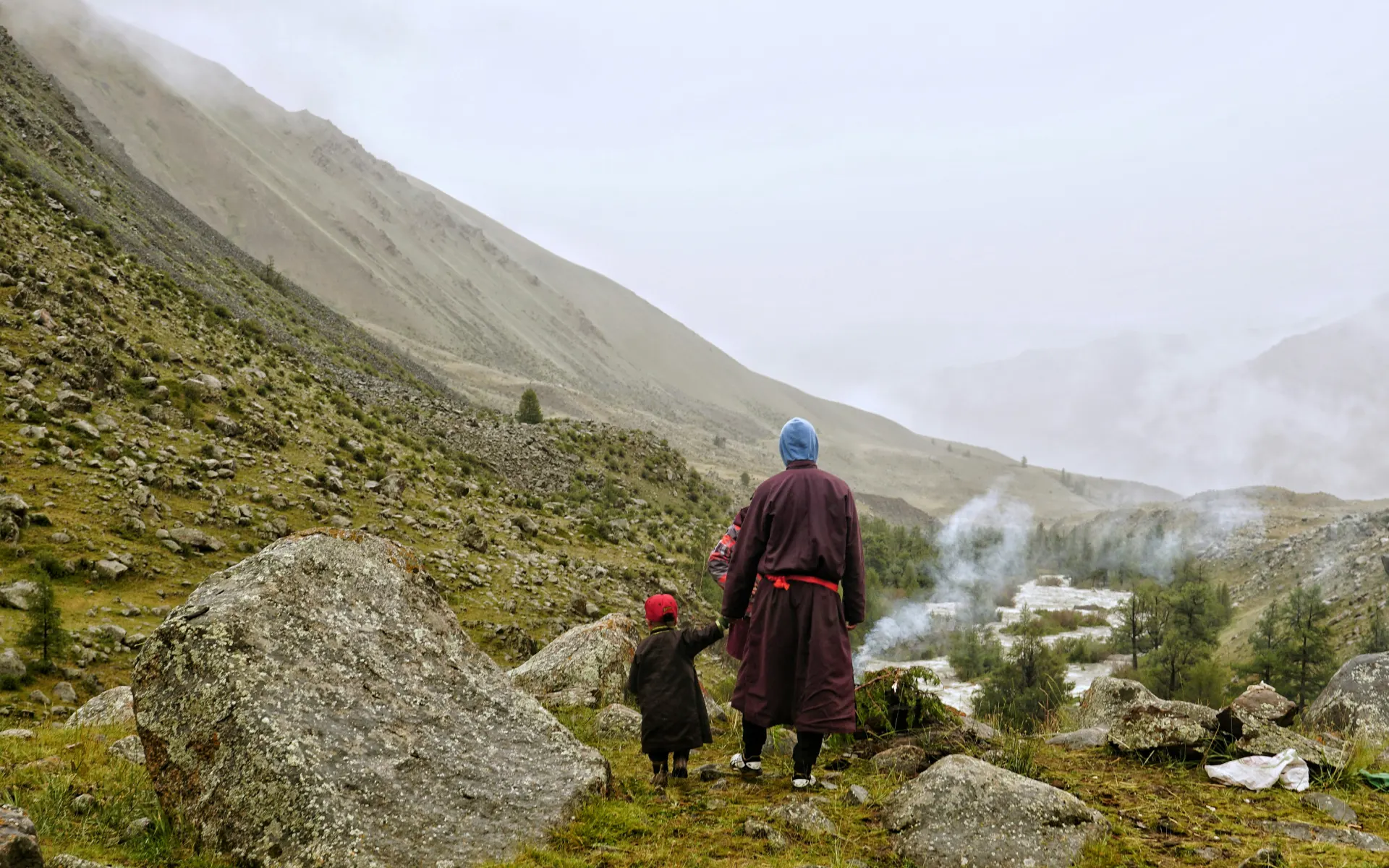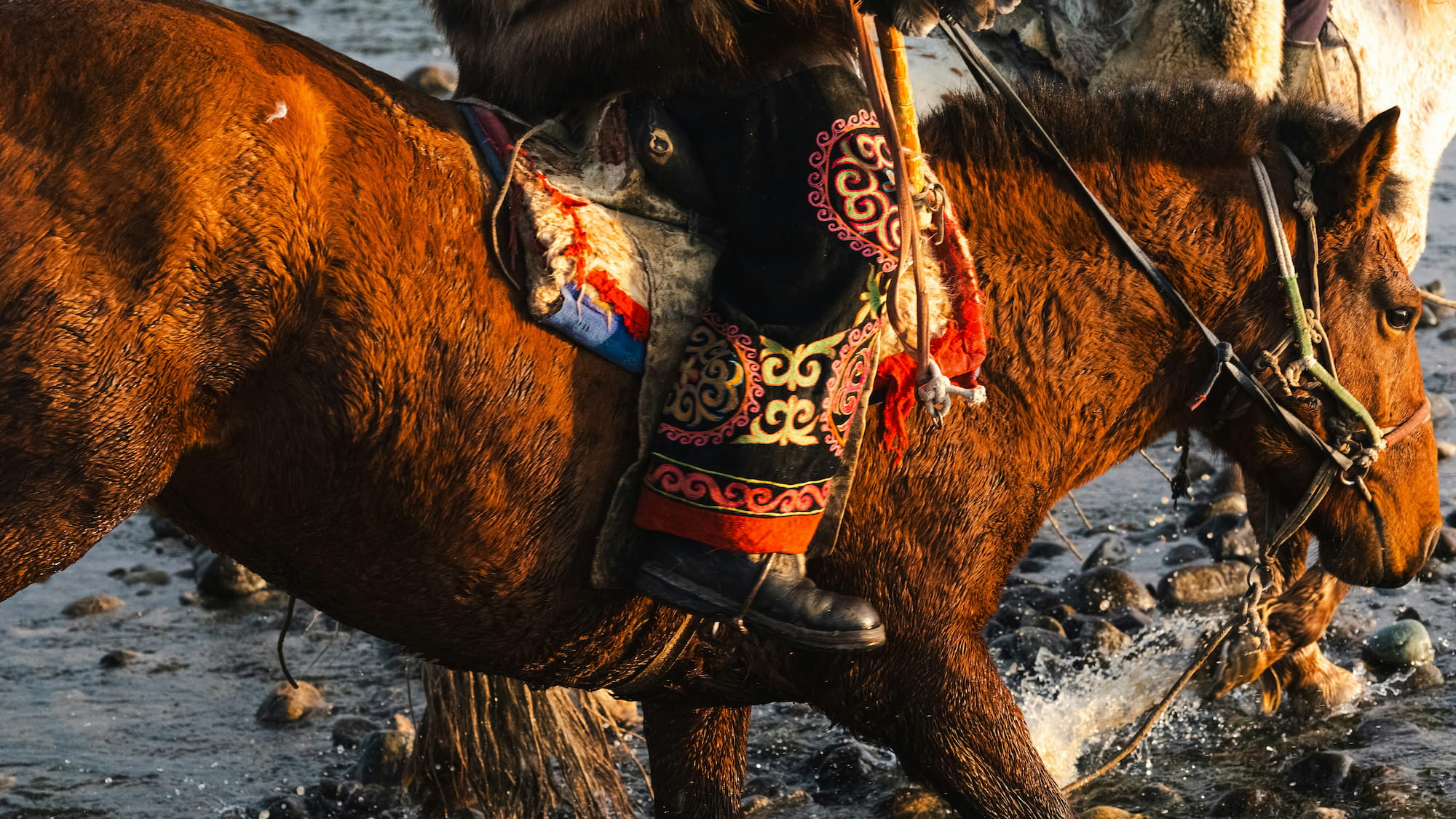
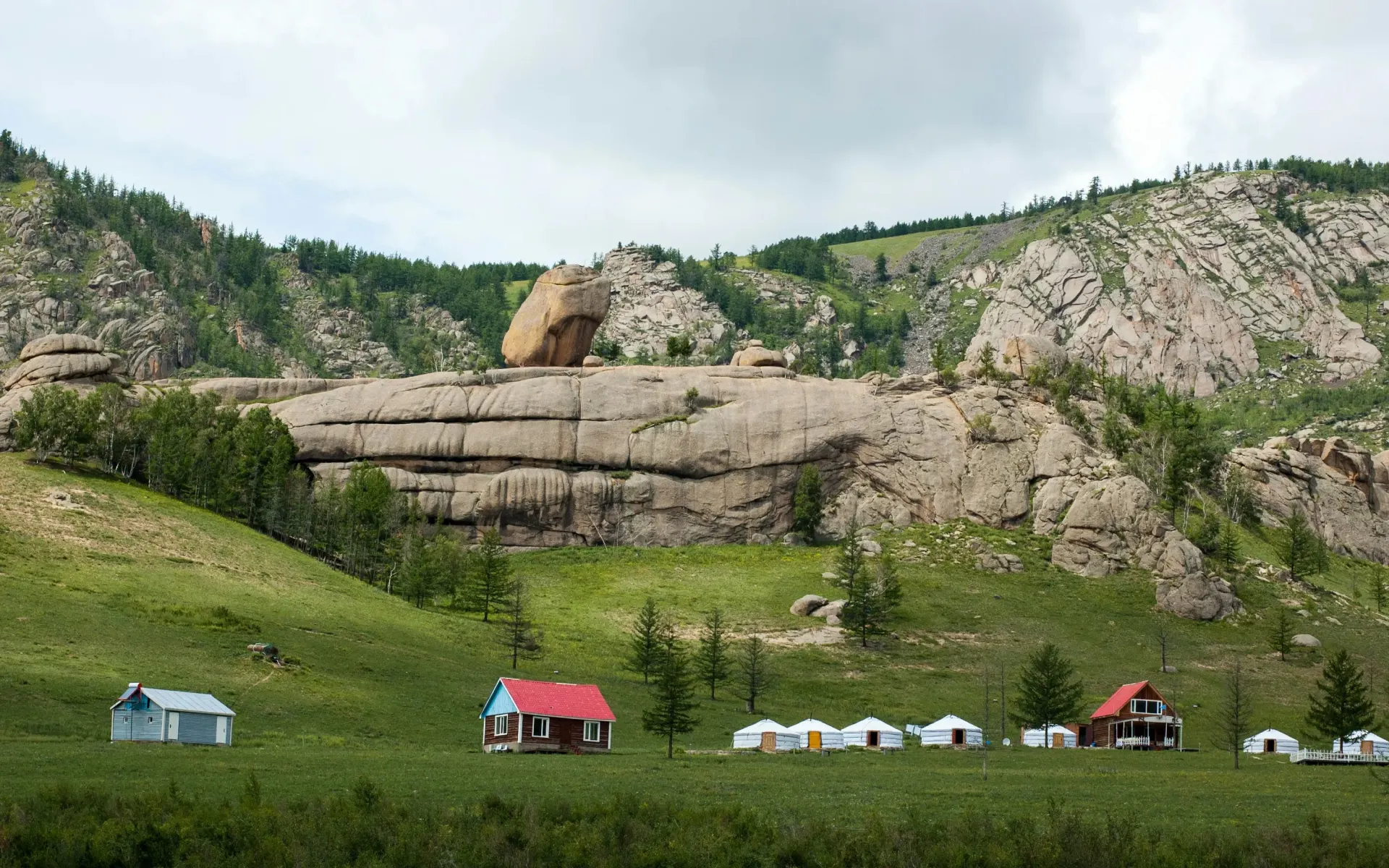
Die Mongolei ist ein Land mit endlosem Himmel, nomadischen Traditionen und ungezähmter Wildnis, das die Fantasie abenteuerlustiger Reisender beflügelt. Von der weiten Wüste Gobi bis zu den unberührten Seen im Norden – dieser umfassende Reiseführer hilft Ihnen dabei, eine unvergessliche Reise zu einem der faszinierendsten Reiseziele Asiens zu planen.
Wann sollte man die Mongolei besuchen?
Die beste Reisezeit für die Mongolei hängt davon ab, was Sie erleben möchten:
Der Sommer (Juni bis August) ist die Hochsaison mit warmem Wetter, grüner Landschaft und dem berühmten Naadam-Festival im Juli. Die Temperaturen liegen zwischen 15 und 25 °C (59 bis 77 °F) und sind ideal zum Campen und für Reittouren. In dieser Zeit erwacht die Mongolei mit Festivals und Outdoor-Aktivitäten zum Leben.
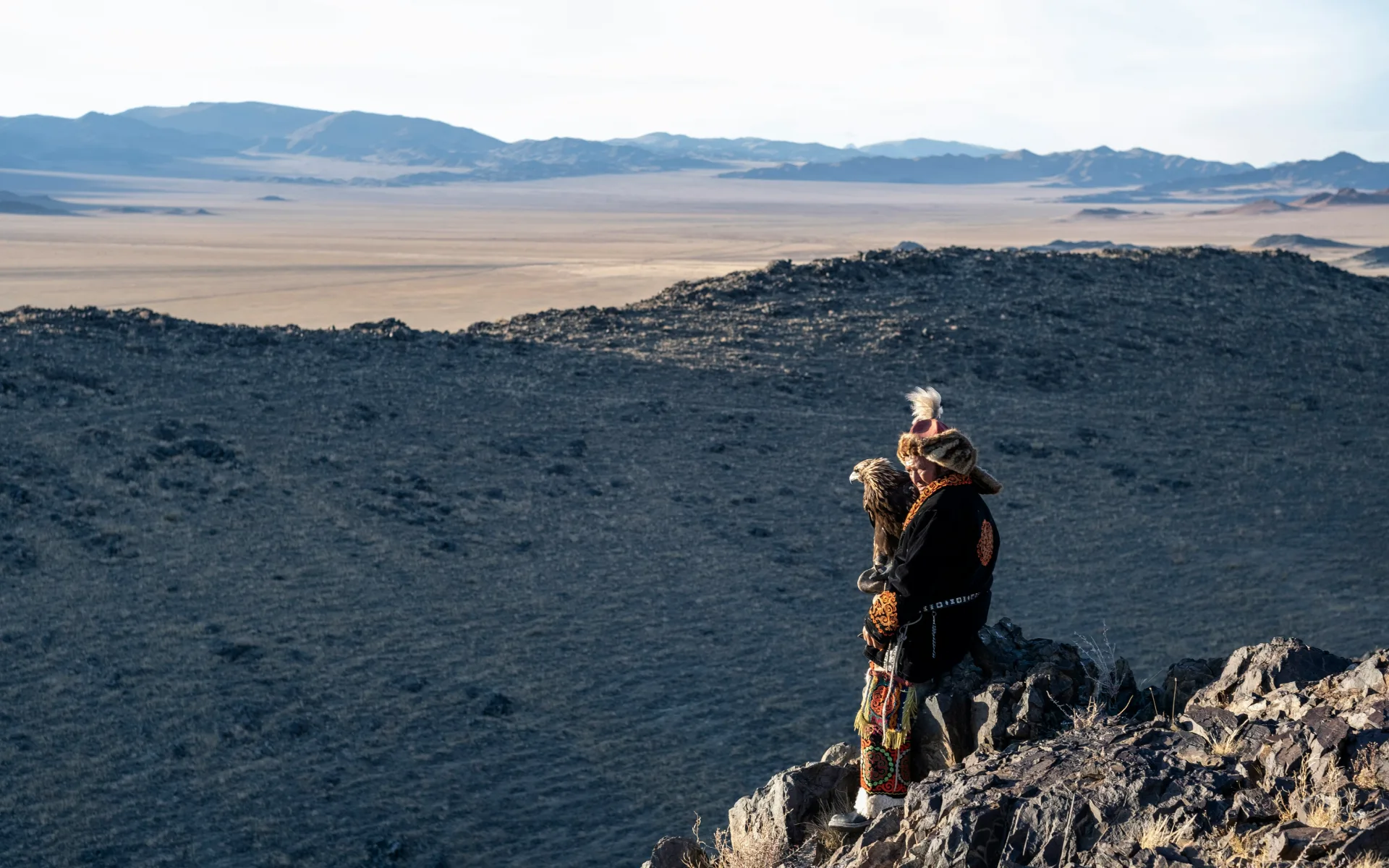
Im Herbst (September bis Oktober) gibt es weniger Touristen, angenehme Temperaturen und das spektakuläre Adlerfest. Die Landschaft verwandelt sich in goldene Farbtöne und ist somit ideal zum Fotografieren. Außerdem finden Sie günstigere Angebote für Unterkünfte und Touren.
Der Winter (November bis Februar) bringt extreme Kälte (-25 bis -40 °C), aber auch magische Erlebnisse wie Eisfeste, Hundeschlittenfahrten und Besuche bei Rentierzüchtern. Das ist nicht jedermanns Sache, aber für diejenigen, die mutig genug sind, ist der Winter in der Mongolei wirklich ein einmaliges Erlebnis.
Im Frühling (März bis Mai) ist das Wetter unvorhersehbar und es kommt gelegentlich zu Sandstürmen, aber dafür haben Sie die Sehenswürdigkeiten meist für sich allein. Die Preise sind niedriger und Sie können miterleben, wie die Landschaft aus dem Winterschlaf erwacht.
Visabestimmungen
Gute Nachrichten für Reisende! Staatsangehörige vieler Länder, darunter Großbritannien, USA, Kanada, Australien, Neuseeland und die meisten EU-Staaten, können die Mongolei für bis zu 30 Tage ohne Visum besuchen. Die Visabestimmungen können sich jedoch ändern. Informieren Sie sich daher vor der Buchung Ihrer Reise immer bei der mongolischen Botschaft oder dem mongolischen Konsulat.
Wenn Sie länger als 30 Tage bleiben möchten, müssen Sie sich innerhalb von sieben Tagen nach Ihrer Ankunft bei der mongolischen Einwanderungsbehörde registrieren lassen.
Anreise nach Mongolei
Internationale Flüge: Die meisten internationalen Flüge kommen am Chinggis Khaan International Airport in der Hauptstadt Ulaanbaatar an. Zu den gängigen Routen gehören Verbindungen über Seoul (Korean Air), Peking (Air China), Istanbul (Turkish Airlines) oder Moskau (Aeroflot). Direktflüge aus Europa und Nordamerika sind selten, sodass Sie mit mindestens einem Zwischenstopp rechnen müssen.
Einreise über Land: Sie können auch mit dem Zug oder Bus aus Russland oder China nach Mongolei einreisen. Die Transsibirische Eisenbahn ist eine beliebte und landschaftlich reizvolle Option für abenteuerlustige Reisende.
Fortbewegung in der Mongolei
Mietwagen mit Fahrer: Dies ist die beliebteste Option für Touristen. Sie genießen die Flexibilität einer unabhängigen Reise und profitieren gleichzeitig von der Sicherheit eines lokalen Fahrers, der sich in der Gegend auskennt. Die Tagespreise liegen zwischen 80 und 150 US-Dollar, einschließlich Fahrer und Kraftstoff.
Self-Drive: Möglich, aber anspruchsvoll. Außerhalb der großen Städte gibt es in der Mongolei nur sehr wenige asphaltierte Straßen. Sie benötigen ein robustes Allradfahrzeug, gute Navigationsfähigkeiten und Erfahrung im Geländefahren. GPS funktioniert in abgelegenen Gebieten nicht immer.
Inlandsflüge: MIAT (Mongolian Airlines) bietet Flüge zu wichtigen Zielen wie Dalanzadgad (Wüste Gobi) und Ulgii (Adlerfestival) an. Das spart Zeit, aber Sie verpassen die Reise durch atemberaubende Landschaften.
Organisierte Touren: Die bequemste Option für Erstbesucher. Reiseveranstalter kümmern sich um die gesamte Logistik, einschließlich Transport, Unterkunft, Verpflegung und Genehmigungen. Die Preise variieren stark, von günstigen Gruppenreisen bis hin zu luxuriösen privaten Expeditionen.
Budgetplanung
Die Mongolei kann überraschend günstig sein, wenn man clever plant:
Budgetreisende (30–50 $ pro Tag): Übernachten Sie in Hostels, essen Sie in lokalen Restaurants, nutzen Sie öffentliche Verkehrsmittel oder nehmen Sie an günstigen Gruppenreisen teil. Dies funktioniert am besten, wenn Sie Zeit in Ulaanbaatar verbringen oder sich mit anderen Reisenden zusammentun können, um die Kosten zu teilen.
Reisende mit mittlerem Budget (80–150 $ pro Tag): Übernachten Sie in komfortablen Ger-Camps, nehmen Sie an kleinen Gruppenreisen teil, essen Sie in guten Restaurants und genießen Sie verschiedene Aktivitäten. Dies ist die ideale Wahl für die meisten Besucher, die Komfort wünschen, ohne ihr Budget zu sprengen.
Luxusreisende (ab 200 $ pro Tag): Private Touren mit erfahrenen Reiseleitern, Übernachtungen in Premium-Lodges wie der Three Camel Lodge, Gourmet-Mahlzeiten und exklusive Erlebnisse. Mongolei bietet überraschend gute Luxusoptionen in beliebten Regionen.